Smoke Warning at FL360: Air India Express A320 Declares Emergency
Smoke Warning at FL360: Air India Express A320 Declares Emergency
Avionics Smoke Indications Trigger Rapid Descent and Diversion to Lucknow
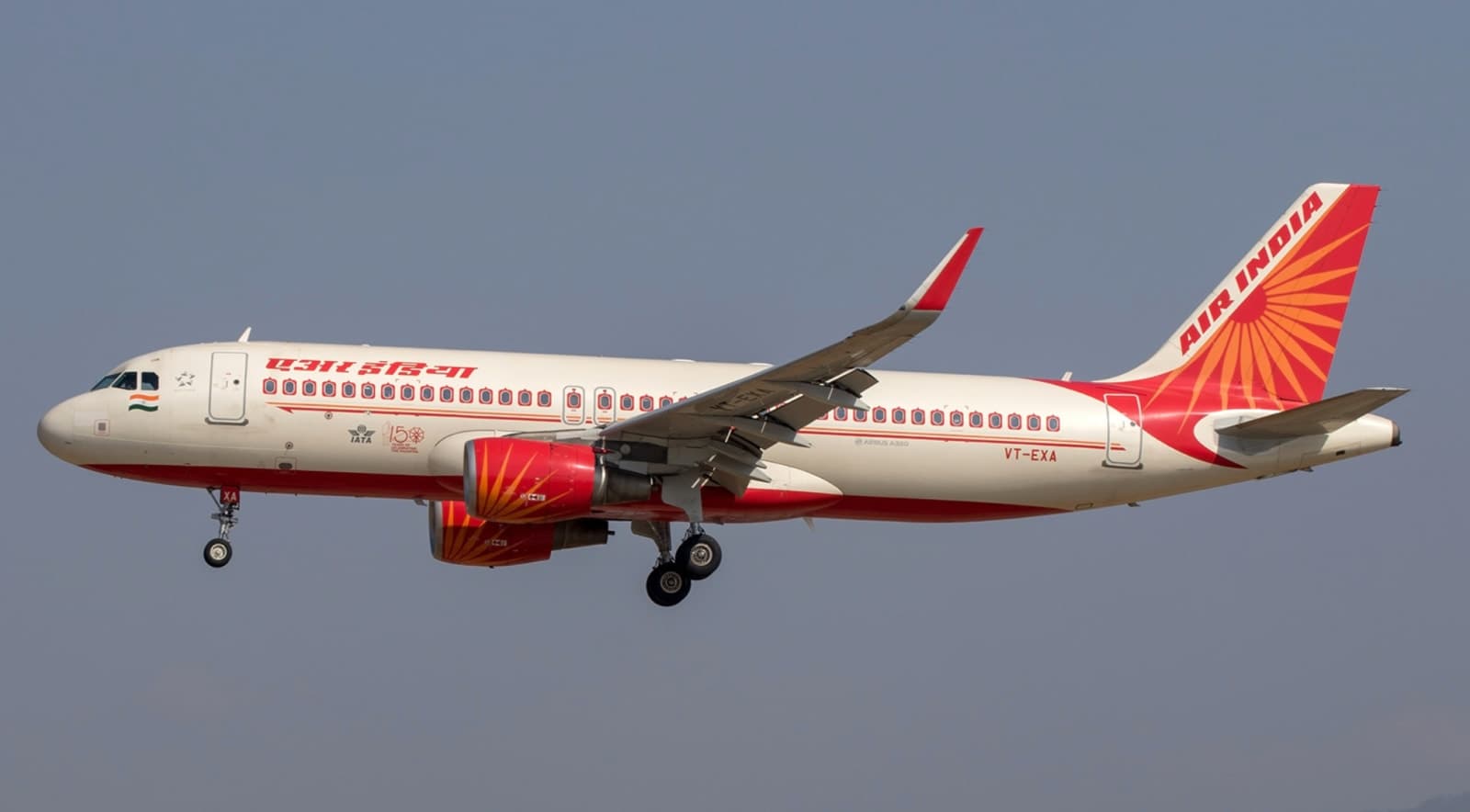
On March 30th, 2026, an Air India Express Airbus A320-200 operating flight IX-1523 from Bagdogra to Delhi encountered a serious in-flight abnormality while cruising at FL360. The aircraft, registered VT-EXA, was approximately 90 nautical miles east of Lucknow when the crew reported smoke indications originating from the avionics panels.
Recognising the potential severity of smoke-related events — often treated under the “time-critical” philosophy in commercial aviation — the flight crew declared an emergency and initiated immediate corrective actions. As part of standard safety protocol, passenger oxygen masks were deployed, suggesting either a precautionary descent profile or concern regarding cabin air quality.
The crew executed a controlled but expedited diversion to Lucknow’s Chaudhary Charan Singh International Airport, successfully landing on Runway 27 approximately 20 minutes after the emergency declaration. The aircraft was met by emergency services upon arrival.
Notably, subsequent inspection by ground responders did not reveal any visible signs of smoke, heat, or fire. This introduces the possibility of a false warning, environmental contamination (such as bleed air anomalies), or transient electrical faults within the avionics bay — an area densely packed with critical electronic systems and cooling airflow pathways.
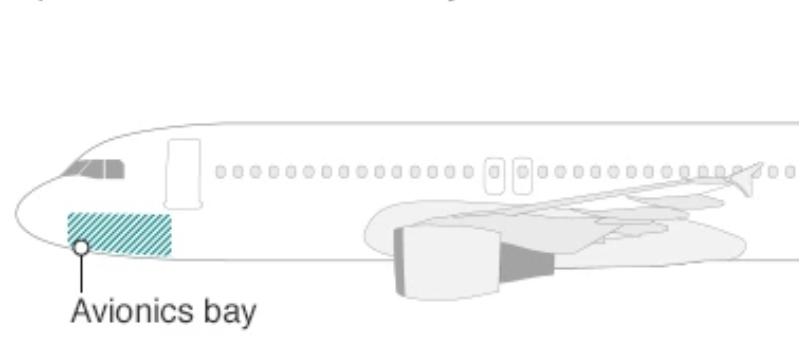
Diagram showing the location of the avionics bay in the Airbus A320, located beneath the cockpit floor
Extended Downtime and Investigation
Despite the absence of physical evidence, the aircraft remained grounded in Lucknow for over 25 hours following the incident. This extended downtime indicates the need for detailed technical diagnostics, including inspection of avionics ventilation systems, wiring integrity, and potential fault messages recorded in the aircraft’s maintenance systems.
Industry Implications
From an operational and safety perspective, this event reinforces the industry’s zero-tolerance approach to smoke warnings. Even in cases where no fire is ultimately confirmed, the procedural response prioritises immediate risk mitigation, as undetected onboard fires remain one of the most critical threats in aviation.
Further updates from maintenance investigations or regulatory authorities will be necessary to determine whether this was a spurious indication or a precursor to a deeper system malfunction.
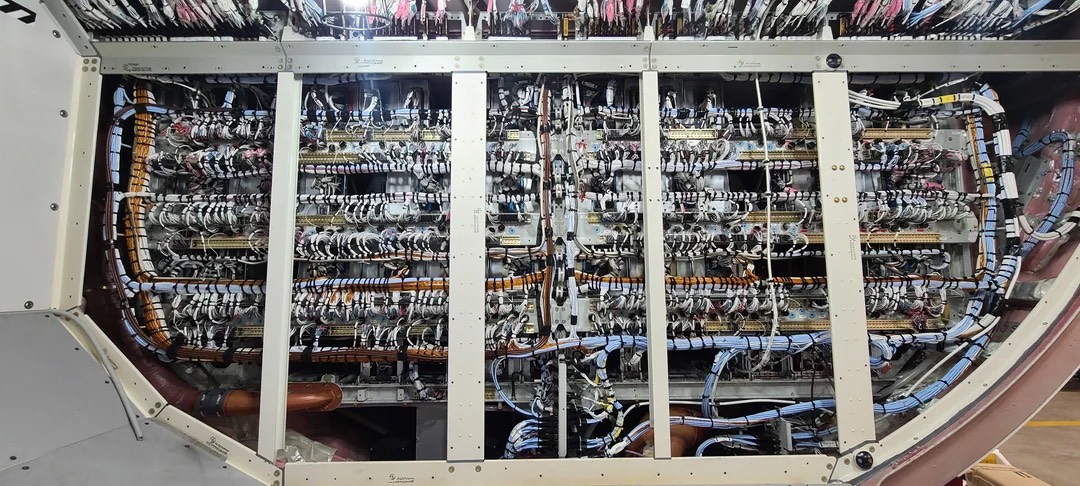
Internal view of the Airbus A320 avionics bay showing densely packed electronic systems, wiring, and cooling pathways
DreamVator Newsletter — Volume 1, Issue 3 — 31 March 2026